1. Space saving: The most significant advantage of Roof water tank is their high space utilization rate. Installing a water tank on the top of the vehicle does not occupy valuable space inside the vehicle, especially suitable for large vehicles such as trucks and buses, freeing up more space for passengers or cargo.
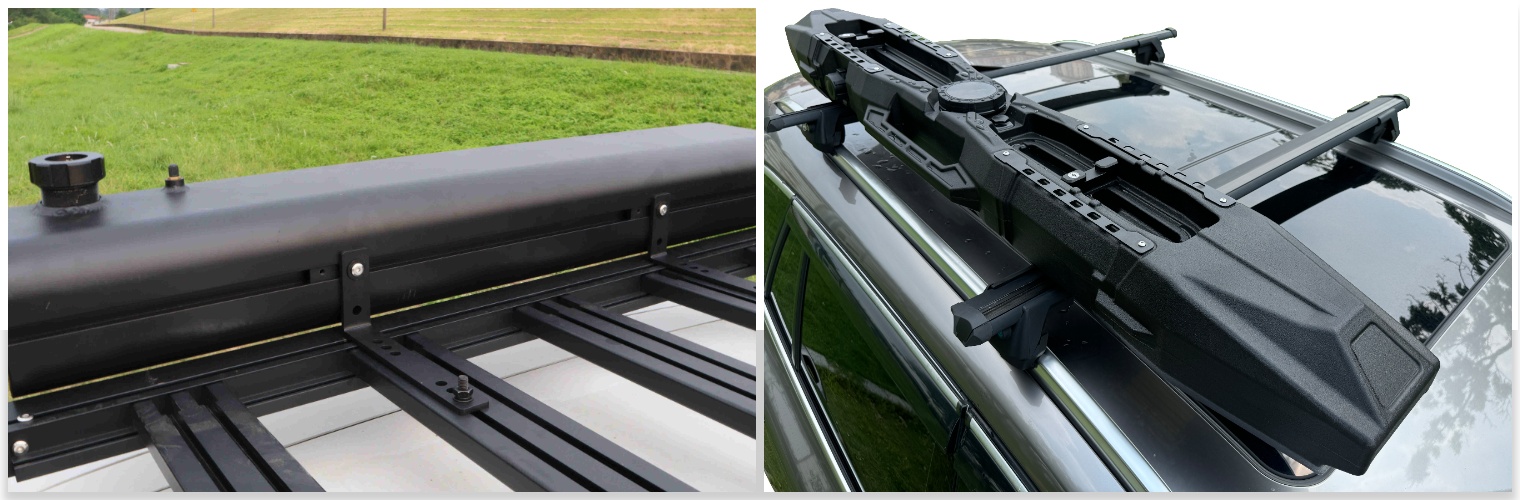

2. Easy to install and disassemble: Compared to other water storage devices, the installation and disassembly of Outdoor roof water tank are relatively simple. According to the vehicle model and requirements, different sizes and shapes of water tanks can be customized, and installation usually only requires fixing brackets and connecting water pipes.
3. Cost effectiveness: For vehicles that require a large amount of water, such as fire trucks, sprinkler trucks, etc., Car water tank provide an economically efficient solution. The customization cost varies depending on specifications and materials, but compared to other complex water storage systems, the initial investment and maintenance costs of Car water tank are usually lower.
4. High flexibility: Car water tank can be customized according to actual needs, including capacity, materials, etc., to adapt to different vehicle models and usage scenarios. This flexibility enables Car water tank to play a role in various applications, from daily drinking water supply to agricultural irrigation.
Water storage is a critical aspect of modern infrastructure, especially in urban and rural areas where water supply may be inconsistent. One of the most common solutions for storing water is the roof water tank, which serves as a reliable reservoir for households, commercial buildings, and institutions. This article explores the significance of roof water tanks, their types, installation considerations, maintenance practices, and potential challenges.
1. The Role of Roof Water Tanks
Roof water tanks are designed to store water at an elevated position, ensuring a steady supply through gravity-fed systems. They are particularly useful in regions with irregular water supply or frequent power outages, where electric pumps may not function consistently. By storing water on rooftops, these tanks provide a buffer against shortages and help maintain water pressure in plumbing systems.
In residential buildings, roof water tanks are often used to store potable water for daily needs such as drinking, cooking, bathing, and cleaning. In commercial or industrial settings, they may store water for firefighting, cooling systems, or other operational requirements.
2. Types of Roof Water Tanks
Roof water tanks come in various materials and designs, each with its advantages and limitations.
a. Plastic (Polyethylene) Tanks
Lightweight and easy to install.
Resistant to rust and corrosion.
Cost-effective but may degrade under prolonged UV exposure.
b. Stainless Steel Tanks
Durable and long-lasting.
Resistant to bacterial growth.
More expensive but requires minimal maintenance.
c. Concrete Tanks
Heavy and sturdy, often built-in during construction.
Excellent insulation properties, keeping water cool.
Prone to cracks and leaks over time if not properly sealed.
d. Fiberglass Tanks
Lightweight yet strong.
Resistant to chemical corrosion.
Suitable for storing non-potable water in industrial applications.
The choice of material depends on factors such as budget, water quality, and structural support availability.
3. Installation Considerations
Installing a roof water tank requires careful planning to ensure efficiency and safety.
a. Structural Support
The roof must be strong enough to bear the weight of a full tank. Reinforcements may be necessary for older buildings.
b. Positioning
The tank should be placed in a shaded area to prevent excessive heating, which can promote bacterial growth. It should also be easily accessible for maintenance.
c. Overflow and Drainage Systems
Proper overflow mechanisms must be in place to prevent water damage during heavy rainfall or overfilling.
d. Water Inlet and Outlet
The inlet pipe should have a filter to prevent debris from entering, while the outlet should be positioned to maximize water pressure distribution.
4. Maintenance of Roof Water Tanks
Regular maintenance is crucial to ensure clean and safe water storage. Neglecting maintenance can lead to contamination, leaks, or structural damage.
a. Cleaning Schedule
Tanks should be cleaned at least twice a year to remove sediment, algae, and bacterial buildup.
b. Inspection for Leaks and Cracks
Periodic checks for cracks, rust, or wear-and-tear can prevent major issues.
c. Water Quality Testing
If the tank stores potable water, periodic testing for contaminants like bacteria or heavy metals is essential.
d. Cover and Lid Security
A tight-fitting lid prevents insects, rodents, and debris from entering the tank.
5. Challenges and Solutions
Despite their benefits, roof water tanks can present challenges:
a. Contamination Risks
Stagnant water can breed bacteria like E. coli or Legionella. Regular cleaning and using UV-resistant covers can mitigate this risk.
b. Freezing in Cold Climates
In winter, water inside tanks may freeze, causing cracks. Insulating the tank or using heating elements can help.
c. Algae Growth
Exposure to sunlight encourages algae formation. Opaque tanks or shading solutions can reduce this problem.
d. Structural Stress
Over time, the weight of the tank may weaken the roof. Periodic structural assessments are recommended.
6. Environmental and Economic Benefits
Roof water tanks contribute to sustainability by:
Reducing dependence on municipal water supply.
Harvesting rainwater for non-potable uses like irrigation.
Lowering electricity consumption by minimizing the need for electric pumps.
7. Future Trends in Roof Water Storage
Advancements in materials and smart technology are shaping the future of roof water tanks:
Smart Tanks: Sensors can monitor water levels, quality, and leakage in real-time.
Eco-Friendly Materials: Recycled plastics and biodegradable coatings are becoming popular.
Modular Designs: Lightweight, stackable tanks for easy installation in urban areas.
Roof water tanks play a vital role in ensuring water security, especially in areas with unreliable supply. Proper selection, installation, and maintenance are key to maximizing their efficiency. As technology evolves, these tanks will become even more efficient and environmentally friendly, further enhancing their importance in water management systems.
By understanding the benefits and challenges of roof water tanks, homeowners and businesses can make informed decisions to secure their water supply while promoting sustainability.

 English
 Español
 Portugues
 Pусский
 Français
 Deutsch
 日本語
日本語 한국어
한국어 العربية
 Italiano
 Nederlands
 Ελληνικά
 Svenska
 Polski
 ไทย
ไทย Türk dili
 हिन्दी
 Indonesia
 Melayu
 Tiếng Việt
 中文
中文 dansk
dansk Magyar
 қазақ
қазақ বাংলা
বাংলা עִברִית
 čeština
 Soomaali
 မြန်မာ
 فارسی
فارسی українська
 norsk
norsk Gaeilge
 беларускі
 Română
 ພາສາລາວ
 Filipino
 lietuvių
 Cymraeg
 македонски
 Suomalainen
 slovenský
 o'zbek
 اردو
اردو հայերեն
 Igbo
Igbo български
 سنڌي
سنڌي Shona
Shona සිංහල
සිංහල Hrvatski
 íslenskur
 galego
 català
 Zulu South Africa
 Afrikaans isiXhosa
 ಕನ್ನಡ
ಕನ್ನಡ lëtzebuergesch
 Indonésia Sunda
 Кыргызча
 тоҷикӣ
 Србија
 Twi
Twi Hawaii
 Cebu
Cebu नेपाल
नेपाल euskara
 frissi
 יידיש
יידיש latvija
 slovenija
 kiswahili
 ਪੰਜਾਬ
ਪੰਜਾਬ پښتو
پښتو საქართველოს
 hua moni
 bosna
bosna Kreyòl ayisyen
 Eesti
Eesti Gàidhlig na h-Alba
 Samoa
Samoa Монгол
 Azərbaycan
 አማራ
አማራ Shqipëria
 Malta
Malta ខ្មែរ
ខ្មែរ Chicheva
 中文(繁体)
 ଓଡିଆ
ଓଡିଆ Setswana
 Afrikaans
 Aymara
 Башҡорт
 Türkmenler
 ትግሪኛ
ትግሪኛ Afaan Oromoo
 অসমীয়া
 Kinyarwanda
 Ilocano
 Wolof
Wolof अवधी
अवधी Oluganda
 Bikol
Bikol Fulɓe
Fulɓe Kikongo
 Sango
Sango ދިވެހި
 Lingala
 मैथिली
 Tsonga
 ꯃꯦꯏ ꯊꯥꯏ꯫
 brezhoneg
 Furlan
 नेवा
नेवा རྫོང་ཁ
 Santali
 Аҧсуа
Аҧсуа Нохчийн
 Чӑваш
Чӑваш Татар
Татар Batak Karo
 دری
دری Diura
Diura Fengyu
 Eʋegbe
 Iban
Iban Fiji
Fiji Tonga
Tonga Inuktitut
 Nahuatl
 maaya yucatec
 Runasimi
 guarani
 Qafar
Qafar Acholi
 Dinka
Dinka Luo
Luo Lundi
Lundi isiNdebele
 Tshivenḓa
 Sesotho sa Leboa
 Sesotho sa Borwa
 Ndumbe
 Papuan Pidgin
 Rromani ćhib
 Thok Nath



 TELEFAONINA