1. The main advantage of Rooftop luggage compartment equipment is their good sealing performance, as they are a box that can not only be waterproof, but also dustproof and anti-theft. Luggage anti-theft luggage does not need to be tied up in the luggage compartment.
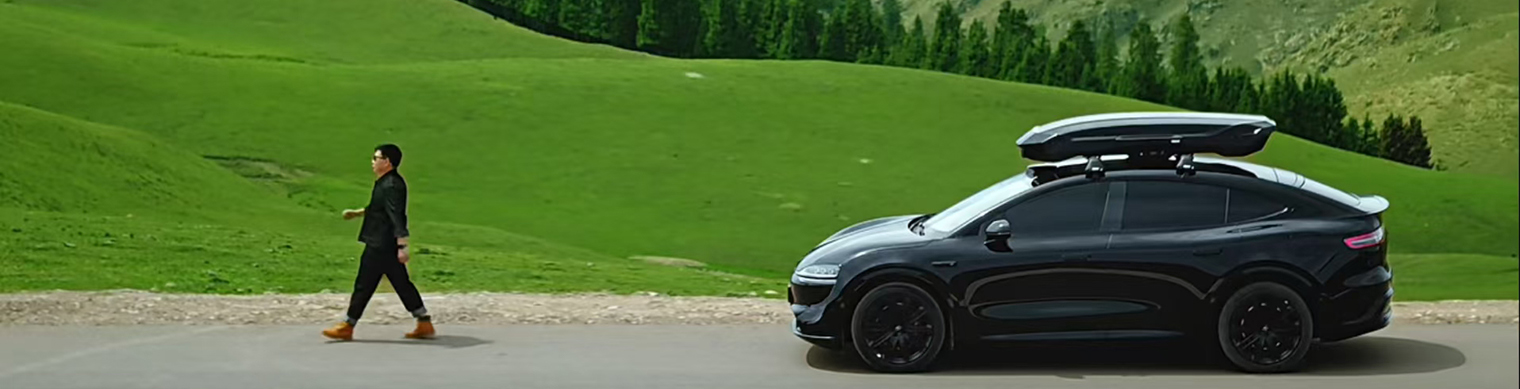

2. The main disadvantage of roof box is that they can carry less luggage than the Roof Rack.
Rooftop luggage compartment equipment are suitable for shorter travel times, as there is not much luggage to prepare during the time period. After all, Rooftop luggage compartment equipment have a relatively small capacity, and some short trips only require changing clothes and emergency equipment.
Some car owners may also choose to install a roof luggage rack, whether it is for Car roof luggage compartment or luggage racks. It is important to have a good understanding before installation, as there are clear regulations regarding this.
Rooftop luggage compartment equipment has become an essential accessory for travelers, adventurers, and families looking to maximize their vehicle’s storage capacity. Whether you’re planning a cross-country road trip, a camping adventure, or simply need extra space for bulky items, rooftop luggage compartments offer a practical and efficient solution. This guide explores the various types of rooftop luggage equipment, their benefits, installation processes, maintenance tips, and safety considerations.
1. Rooftop Cargo Boxes
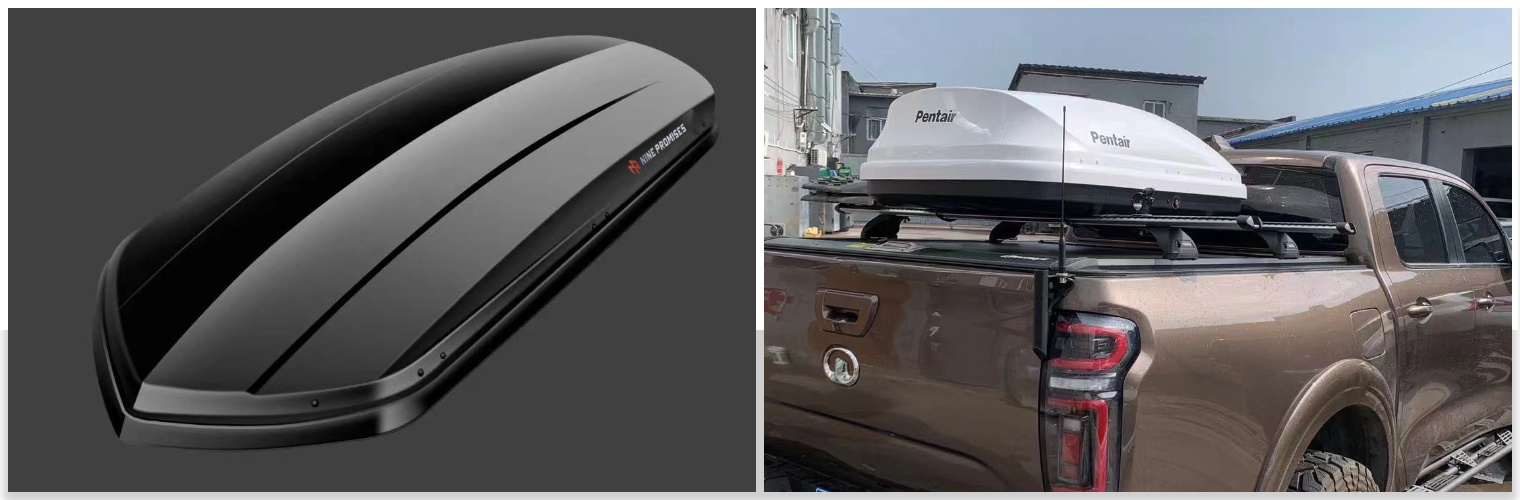
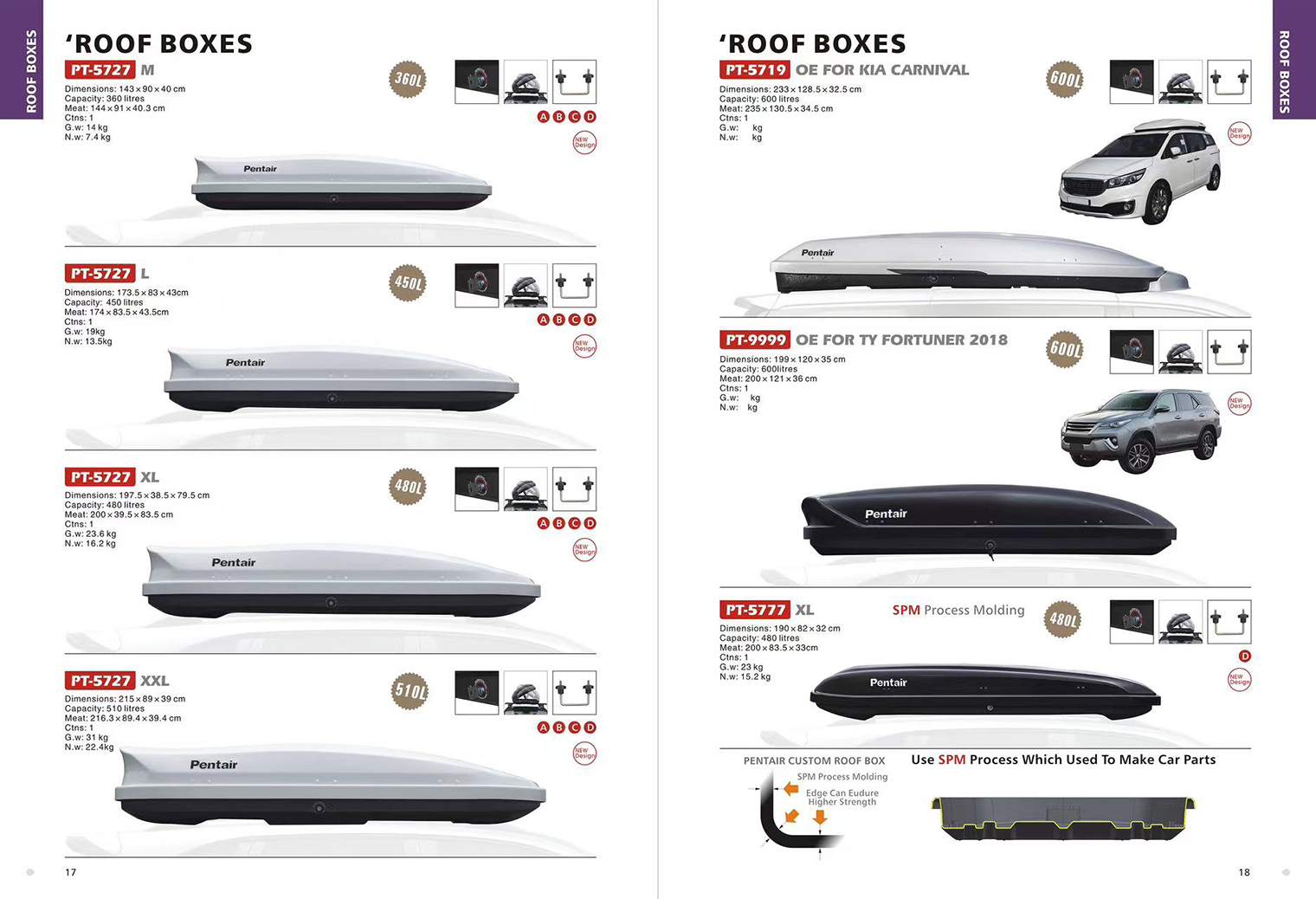
Rooftop cargo boxes are rigid, aerodynamic containers designed to protect luggage from weather conditions while providing ample storage space. They are typically made from durable materials like ABS plastic or fiberglass and feature secure locking mechanisms. These boxes are ideal for long-distance travel, as they minimize wind resistance and noise.
2. Rooftop Cargo Bags
Soft-shell rooftop cargo bags are a more affordable and lightweight alternative to hard-shell boxes. Made from waterproof materials like PVC or polyester, these bags are easy to install and remove. However, they offer less protection against impacts and may not be as secure as hard-shell options.
3. Rooftop Cargo Baskets
Cargo baskets are open-frame structures mounted on the roof, allowing for flexible loading of oversized or irregularly shaped items like camping gear, bicycles, or kayaks. They often require additional accessories such as bungee cords or nets to secure the load.
4. Rooftop Cargo Carriers (Platforms)
These are flat, low-profile platforms that provide a stable base for securing large or heavy items. They are commonly used in combination with other rooftop equipment, such as bike racks or ski holders.
One of the primary advantages of rooftop luggage compartments is the additional storage space they provide. This is especially useful for vehicles with limited trunk space, such as SUVs, hatchbacks, or sedans.
Hard-shell cargo boxes offer excellent protection against rain, snow, and UV rays, keeping belongings safe and dry. Many models also come with lockable lids to deter theft.
By moving bulky items to the roof, passengers can enjoy more legroom and comfort inside the vehicle.
Whether you’re transporting sports equipment, luggage, or camping gear, rooftop compartments can be customized to fit various needs.
Installing rooftop luggage compartment equipment requires careful attention to ensure safety and stability. Here’s a general step-by-step guide:
1. Check Vehicle Compatibility
Ensure your vehicle has roof rails or crossbars capable of supporting the weight of the cargo box or basket. If not, you may need to install aftermarket roof racks.
2. Assemble the Equipment
Follow the manufacturer’s instructions to assemble the cargo box, basket, or carrier. Some models may require minimal assembly, while others come pre-assembled.
3. Position the Equipment on the Roof
Place the cargo box or basket evenly between the crossbars to distribute weight properly. Avoid overhanging beyond the vehicle’s roof edges.
4. Secure the Equipment
Use the provided clamps, bolts, or straps to attach the compartment to the crossbars. Double-check all fasteners to ensure they are tight and secure.
5. Test for Stability
Gently shake the installed equipment to confirm it doesn’t move excessively. If it wobbles, readjust the mounting points.
To prolong the lifespan of your rooftop luggage compartment equipment, follow these maintenance practices:
Dirt, debris, and road salt can accumulate on the equipment. Clean it with mild soap and water to prevent corrosion or damage.
Check for cracks, loose bolts, or damaged seals, especially before long trips. Replace any worn-out parts immediately.
If your cargo box has hinges or locks, apply silicone-based lubricant periodically to ensure smooth operation.
Remove the equipment when not needed to reduce wind resistance and fuel consumption. Store it in a dry, shaded area to prevent UV damage.
Always adhere to the manufacturer’s weight restrictions for both the rooftop equipment and your vehicle’s roof capacity. Overloading can lead to instability or roof damage.
Rooftop luggage compartments can increase wind resistance, affecting fuel efficiency and handling. Drive cautiously, especially at high speeds or in windy conditions.
Be mindful of low-clearance areas such as parking garages or drive-thrus. Measure the total height of your vehicle with the rooftop equipment installed.
Ensure all items inside the cargo box or basket are tightly packed and secured to prevent shifting during transit.
Rooftop luggage compartment equipment is a valuable addition for anyone needing extra storage space without sacrificing passenger comfort. By choosing the right type, installing it correctly, and maintaining it properly, you can enhance your travel experience while keeping your belongings safe. Whether you opt for a hard-shell cargo box, a soft-shell bag, or an open basket, understanding the features and safety guidelines will help you make the most of your rooftop storage solution.
Investing in high-quality rooftop luggage compartment equipment ensures durability and reliability, making it a worthwhile addition for frequent travelers and outdoor enthusiasts alike.

 English
 Español
 Portugues
 Pусский
 Français
 Deutsch
 日本語
日本語 한국어
한국어 العربية
 Italiano
 Nederlands
 Ελληνικά
 Svenska
 Polski
 ไทย
ไทย Türk dili
 हिन्दी
 Indonesia
 Melayu
 Tiếng Việt
 中文
中文 dansk
dansk Magyar
 қазақ
қазақ বাংলা
বাংলা עִברִית
 čeština
 Soomaali
 မြန်မာ
 فارسی
فارسی українська
 norsk
norsk Gaeilge
 беларускі
 Română
 ພາສາລາວ
 Filipino
 lietuvių
 Cymraeg
 македонски
 Suomalainen
 slovenský
 o'zbek
 اردو
اردو հայերեն
 Igbo
Igbo български
 سنڌي
سنڌي Shona
Shona සිංහල
සිංහල Hrvatski
 íslenskur
 galego
 català
 Zulu South Africa
 Afrikaans isiXhosa
 ಕನ್ನಡ
ಕನ್ನಡ lëtzebuergesch
 Indonésia Sunda
 Кыргызча
 тоҷикӣ
 Србија
 Twi
Twi Hawaii
 Cebu
Cebu नेपाल
नेपाल euskara
 frissi
 יידיש
יידיש latvija
 slovenija
 kiswahili
 ਪੰਜਾਬ
ਪੰਜਾਬ پښتو
پښتو საქართველოს
 hua moni
 bosna
bosna Kreyòl ayisyen
 Eesti
Eesti Gàidhlig na h-Alba
 Samoa
Samoa Монгол
 Azərbaycan
 አማራ
አማራ Shqipëria
 Malta
Malta ខ្មែរ
ខ្មែរ Chicheva
 中文(繁体)
 ଓଡିଆ
ଓଡିଆ Setswana
 Afrikaans
 Aymara
 Башҡорт
 Türkmenler
 ትግሪኛ
ትግሪኛ Afaan Oromoo
 অসমীয়া
 Kinyarwanda
 Ilocano
 Wolof
Wolof अवधी
अवधी Oluganda
 Bikol
Bikol Fulɓe
Fulɓe Kikongo
 Sango
Sango ދިވެހި
 Lingala
 मैथिली
 Tsonga
 ꯃꯦꯏ ꯊꯥꯏ꯫
 brezhoneg
 Furlan
 नेवा
नेवा རྫོང་ཁ
 Santali
 Аҧсуа
Аҧсуа Нохчийн
 Чӑваш
Чӑваш Татар
Татар Batak Karo
 دری
دری Diura
Diura Fengyu
 Eʋegbe
 Iban
Iban Fiji
Fiji Tonga
Tonga Inuktitut
 Nahuatl
 maaya yucatec
 Runasimi
 guarani
 Qafar
Qafar Acholi
 Dinka
Dinka Luo
Luo Lundi
Lundi isiNdebele
 Tshivenḓa
 Sesotho sa Leboa
 Sesotho sa Borwa
 Ndumbe
 Papuan Pidgin
 Rromani ćhib
 Thok Nath



 TELEFAONINA